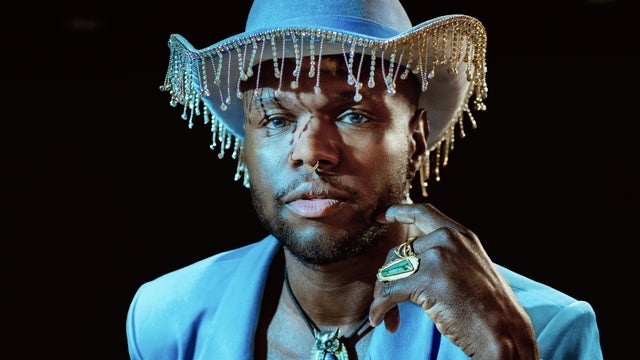
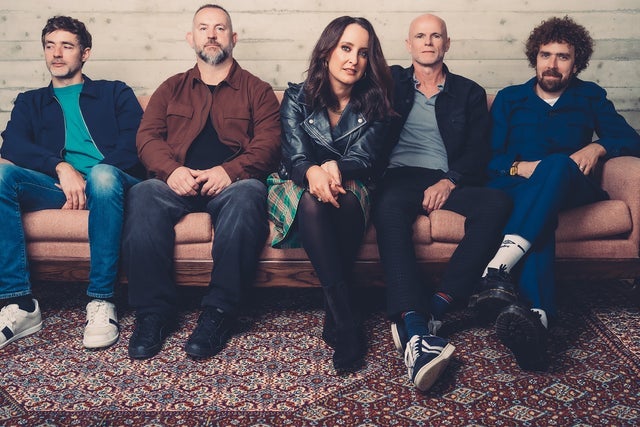
Laura Veirs w. Karl Blau
Friday, 16 October 2026, 00:30
- Category
- Music
Laura Veirs returns with Temple Songs, her first album in four yearsand the first she has written, recorded, arranged, produced, and performed entirely on her own. I didnt know if I would write songs again, says Veirs, who spent the intervening years building a backyard studio, getting married, blending a family with four teenagers, deepening her visual art practice (painting), and expanding her music teaching. Turns out that period was a gathering phase. When I made the commitment to recording the album myself, the muse caught me again and it came together very quickly.Written and recorded in three months in the fall of 2025 in Veirs backyard Temple of Bloom studio, Temple Songs marks a new level of artistic independence. While 2022s Found Light (co-produced by Veirs and Shahzad Ismaily) was a declaration of autonomy, Temple Songs goes further: every creative decisionwhat to record, how to record it, and how it should soundwas Veirs alone. Made with just two mics and a laptop in a 10 x 14 room, the album feels unmistakably Veirs-ian, yet strikingly new.Veirs embraced the Japanese concept of wabi-sabi throughout the process, choosing not to pitch-correct vocals or edit out rough edges. I wanted to make something that sounds as organic and human as possible, she says. Mixing by Philip Weinrobe (Adrienne Lenker) adds sympathetic finishing touches to Veirs 14th solo album.Because the Temple of Bloom wasnt built for recording, the studio itself became a collaborator. Veirs paused takes for rain on the skylightor let it stay. She waited out neighbors conversations, raced to finish a sensitive vocal before a stump grinder roared to life, and included the presence of resident bluejays, passing crows, and other neighborhood sounds. These ambient intrusions lend the album an intimate, lived-in authenticity.Influences range from Mac DeMarcos commitment to trusting his personal taste to the anarchists and feminists of the late 1800s and their rallying cry, no gods, no masters. It was hard to get the white man off my shoulder, Veirs says. I wrestled with a lot of doubt. But there were many happy accidents and eventually I found a flowseeing the studio again, for the first time since my 20s, as a private place for exploration.Clocking in at a concise 30 minutes, Temple Songs 11 tracks capture a songwriter in peak form. The album is intimate, dreamy, brave and quietly defiant, built around Veirs intricate fingerstyle nylon-string guitar, vulnerable vocals, and bold electric guitar embellishments. Arc Still Bends reflects feelings of contemporary futility, offset by a hopeful chorus. Rivers Song, an ode to one of Veirs children, showcases her gift for simplicity and emotional precision. Pulse veers into art-experimental territory, culminating in a cacophonous duet between electric guitar and sax. No Masters is a sparse, punk rock call for collective self-determination, while Sunlight and Doom incorporates elemental fragments from the ancient Greek lyricist Sappho.
Last updated: